Full-Electric Injection Molding Machines
In the fast-evolving landscape of manufacturing, full-electric injection molding machines are carving out a significant role. Known for their precision, energy efficiency, and environmental friendliness, these machines are reshaping the injection molding industry. With a focus on fully electric systems, companies are able to achieve higher product quality, consistent performance, and reduced operational costs. In this article, we’ll explore how these machines work, their advantages, and why they are increasingly preferred over traditional hydraulic and hybrid systems.
What Are Full-Electric Injection Molding Machines?
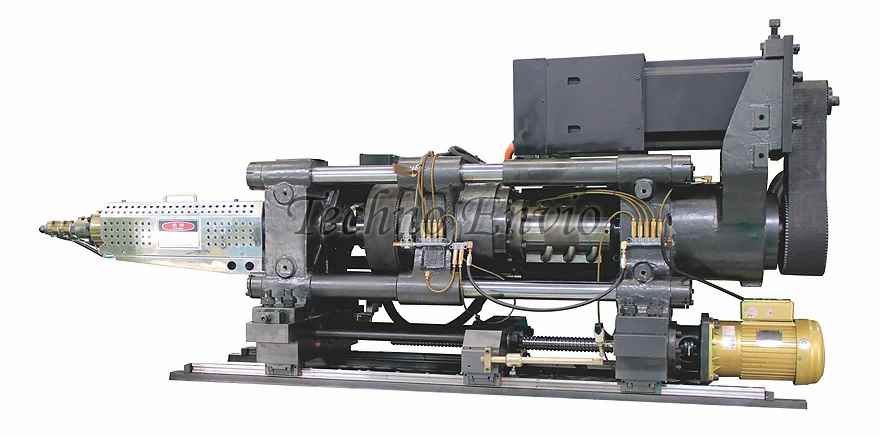
Full-electric injection molding machines rely entirely on electric motors for every stage of the molding process, from clamping and injection to ejecting. Unlike traditional hydraulic or hybrid machines, which require hydraulic pumps and oil, electric machines use servo motors to drive every operation with precision. This design change results in notable advantages, particularly in energy efficiency and environmental impact.
The Mechanics Behind Full-Electric Machines
Full-electric injection molding machines use high-performance servo motors, which are responsible for all movements. Here’s how these components work in an electric system:
- Clamping: An electric motor powers the clamping unit, which precisely controls the clamping force applied to the mold. This level of control ensures better accuracy and prevents flashing or deformities in parts.
- Injection: Servo motors drive the screw, which injects the molten plastic into the mold. With electric machines, the speed and pressure of injection can be accurately adjusted, enabling greater consistency.
- Ejection: After cooling, another servo motor operates the ejection unit, which removes the molded part. Electric motors allow precise control over ejection speed and force, minimizing damage to delicate parts.
This level of control offers benefits in terms of speed, precision, and reliability, which are particularly important for industries like medical devices, electronics, and automotive manufacturing.
Advantages of Full-Electric Injection Molding Machines
1. Energy Efficiency
Full-electric machines consume up to 50-70% less energy compared to hydraulic machines. Since electric motors only operate when needed, idle time energy consumption is practically eliminated. This efficiency translates into reduced electricity costs and is especially beneficial for companies seeking to minimize their environmental footprint.
2. Improved Precision and Repeatability
The use of electric servo motors means that every movement is controlled to a precise degree. This level of accuracy is crucial for industries requiring high repeatability in part quality, such as automotive and electronics. The ability to achieve consistent, high-precision parts leads to less waste and fewer rejections.
3. Lower Maintenance Requirements
Hydraulic systems require oil for operation, which can lead to leaks and contamination. Full-electric machines eliminate these issues, reducing the need for maintenance and minimizing the risk of downtime. With fewer moving parts and no hydraulic fluids, these machines have lower overall wear and tear.
4. Quieter Operation
Electric motors are significantly quieter than hydraulic pumps, creating a more comfortable and safer work environment. For manufacturers operating multiple machines, this can have a substantial impact on reducing noise pollution and improving worker conditions.
5. Enhanced Speed and Efficiency
Full-electric machines can achieve faster cycle times due to the high responsiveness of electric motors. Faster cycles mean increased productivity, making electric machines particularly appealing for high-volume production.
Comparing Full-Electric to Hydraulic and Hybrid Machines
Full-electric machines outperform hydraulic and hybrid systems in several key areas. While hydraulic machines offer high power output, they lack the precision and energy efficiency of electric models. Hybrid machines, which combine hydraulic and electric components, can offer a compromise but may still require oil and more maintenance.
With increasing focus on sustainability and operational efficiency, many manufacturers are turning to fully electric systems to meet these demands. While the initial cost of a full-electric machine is generally higher than its hydraulic counterpart, the long-term savings in energy, maintenance, and downtime justify the investment.
Applications of Full-Electric Injection Molding Machines
Full-electric machines are popular in industries requiring high precision and consistency, such as:
- Medical Device Manufacturing: Producing components that meet stringent quality standards with minimal contamination risk.
- Automotive: Achieving consistent, durable parts for interiors, exteriors, and small mechanical components.
- Consumer Electronics: Ensuring high-quality parts for smartphones, tablets, and other electronics where precision is critical.
- Food Packaging: Full-electric machines enable rapid production with minimized waste, crucial for packaging in food and beverage industries.
Challenges and Considerations
While full-electric machines offer numerous benefits, there are some considerations:
- Initial Cost: Full-electric machines typically come with a higher upfront cost compared to hydraulic machines.
- Force Limitations: Hydraulic machines may offer more force than some electric models, so for very high-pressure applications, a hydraulic or hybrid system might still be necessary.
- Technology Familiarity: Companies used to hydraulic systems may need training to adapt to the full-electric machine technology.
Future Trends in Full-Electric Injection Molding
As technology advances, we can expect full-electric machines to become more powerful and versatile, addressing some of the limitations mentioned. Industry 4.0 and smart factory trends are also pushing for the integration of more advanced sensors, real-time monitoring, and automation within these machines, making them even more valuable in a highly competitive manufacturing environment.
FAQ: Full-Electric Injection Molding Machines
Q1: Are full-electric machines better than hydraulic machines?
A: Full-electric machines offer better energy efficiency, precision, and lower maintenance. However, hydraulic machines may be more suitable for applications requiring extremely high forces.
Q2: Can full-electric machines handle large molds?
A: Yes, but there are limitations. Full-electric machines can handle many types of molds, but for very large molds requiring high clamping forces, hybrid or hydraulic machines may be more appropriate.
Q3: Are full-electric machines suitable for high-speed applications?
A: Absolutely. Full-electric machines can achieve faster cycle times due to the responsiveness of electric motors, making them ideal for high-speed production environments.
Q4: Do full-electric machines require less maintenance?
A: Yes, since there are no hydraulic components, issues like oil leaks and contamination are eliminated, which reduces maintenance needs and improves uptime.
Q5: How much energy savings can I expect with a full-electric machine?
A: Full-electric machines typically consume 50-70% less energy than hydraulic systems, significantly lowering operational costs over time.
