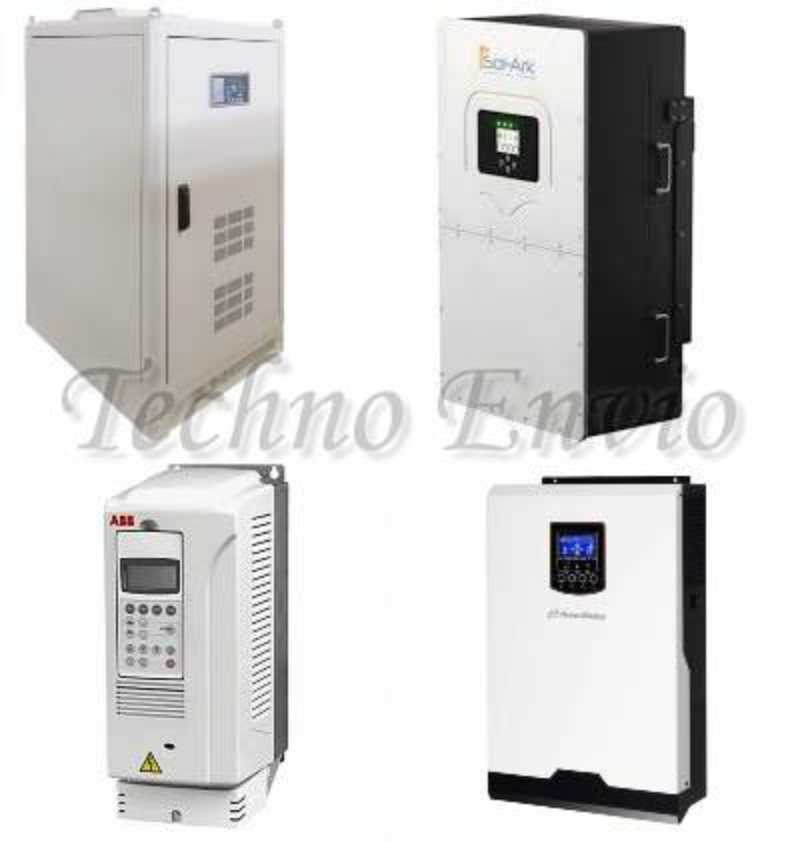
Types of Inverters: VFD, PWM, Solar, and Industrial Inverters Explained
Introduction
Inverters are essential devices in modern electrical and industrial systems. While many people associate inverters with household power backup or solar energy, the truth is that there are various types of inverters used across industries—and each one serves a different purpose.
Understanding these types is important for technicians, engineers, maintenance teams, and even industrial managers who want to choose the right device for their application. The wrong inverter can cause motor failure, poor efficiency, excessive heating, and even safety hazards.
This article explains all major inverter types used today, including:
-
Variable Frequency Drives (VFDs)
-
PWM Inverters
-
Solar Inverters
-
Standalone and Grid-tie Inverters
-
Industrial Process Inverters
-
Pure Sine Wave and Modified Sine Wave Inverters
By the end, you will clearly understand their working principles, benefits, and use-cases—making this one of the most complete guides available for beginners and professionals.
What Is an Inverter? (Quick Recap)
An inverter is an electronic device that converts DC (direct current) to AC (alternating current).
In advanced systems like VFDs, inverters also control:
-
frequency
-
voltage
-
torque
-
waveform shape
This allows precise control of motors and power systems.
Main Categories of Inverters
Although there are many specialized inverter types, they can be grouped into four primary categories:
-
Motor Control Inverters (e.g., VFDs)
-
Power Supply Inverters (for home and industrial backup)
-
Solar Inverters (for renewable energy systems)
-
PWM Inverters (high-precision digital switching systems)
Let’s explore each type in detail.
1. Variable Frequency Drives (VFDs)
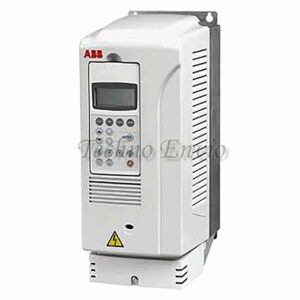
Used for controlling AC motor speed and torque
A VFD—also called an AC inverter or motor drive—is specifically designed to control the speed and torque of AC motors by adjusting frequency and voltage.
How VFDs Work
-
AC input → rectified into DC
-
DC stored in capacitors
-
DC converted back to controlled AC using IGBTs
-
Frequency and voltage adjusted to control motor behavior
Key Features
-
Wide speed control range
-
Soft start & stop
-
Motor protection
-
Energy savings
-
Communication with PLC/SCADA
Common Applications
-
Conveyor belts
-
Pumps and fans
-
HVAC units
-
Mixers and crushers
-
Elevators
-
CNC machine spindles
VFDs are the most common type of inverter in industrial automation.
2. PWM Inverters (Pulse Width Modulation Inverters)
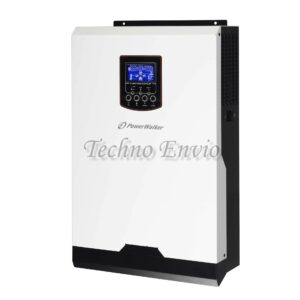
Used for high precision control and clean AC waveform generation
PWM inverters are advanced electronic devices that use high-speed switching to generate a clean, smooth AC output. Nearly all modern inverters today use PWM technology.
How PWM Works
A semiconductor switch turns ON and OFF at extremely high speed.
The width of each pulse determines:
-
output voltage
-
output frequency
-
waveform shape
This results in a near-perfect sine wave.
Benefits
-
high efficiency
-
reduced motor noise
-
low harmonic distortion
-
stable output under varying loads
Applications
-
VFDs (they use PWM internally)
-
UPS systems
-
Solar power systems
-
Battery-based power inverters
-
Industrial power electronics
PWM inverters are the heart of modern motor control and power conversion.
3. Solar Inverters
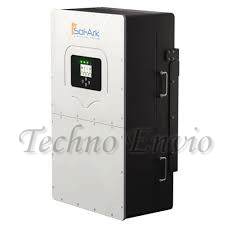
Convert DC from solar panels into usable AC power
Solar inverters are essential in photovoltaic (PV) systems. They convert solar DC output into AC that homes, buildings, and industries can use.
There are three main types:
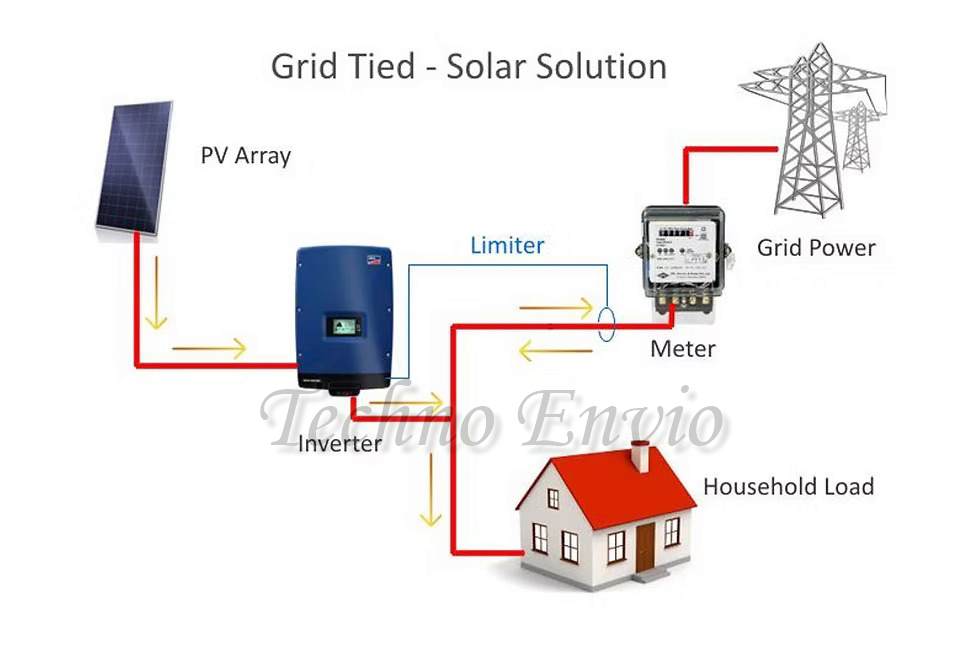
A. Grid-Tie Solar Inverters
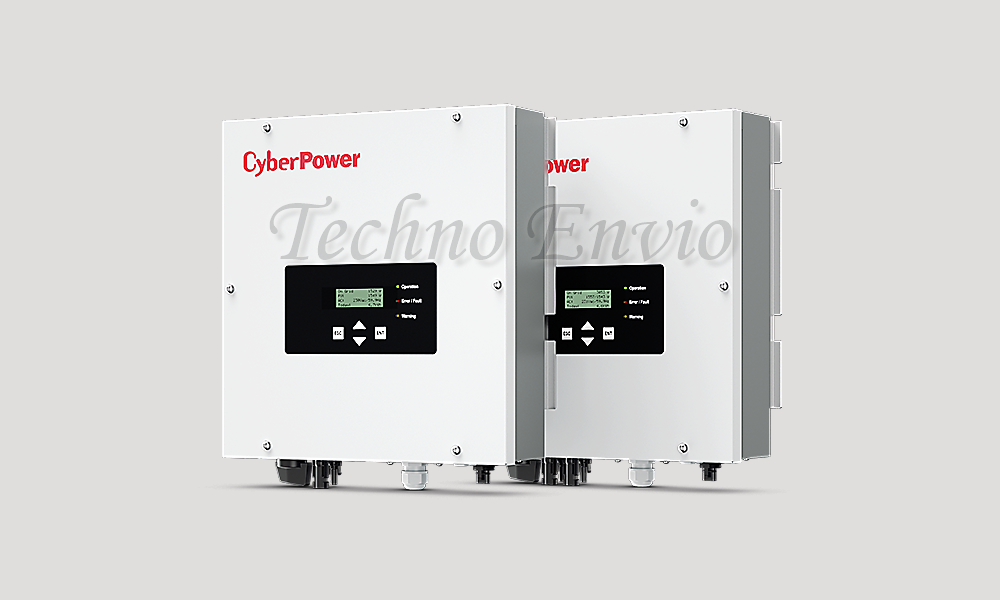
Designed to feed solar energy directly into the grid.
Features
-
No batteries required
-
Extremely efficient (95–98%)
-
Safety features like anti-islanding
-
Reduce electricity bills via net metering
Applications
-
Homes connected to grid
-
Commercial solar systems
-
Industrial rooftop installations
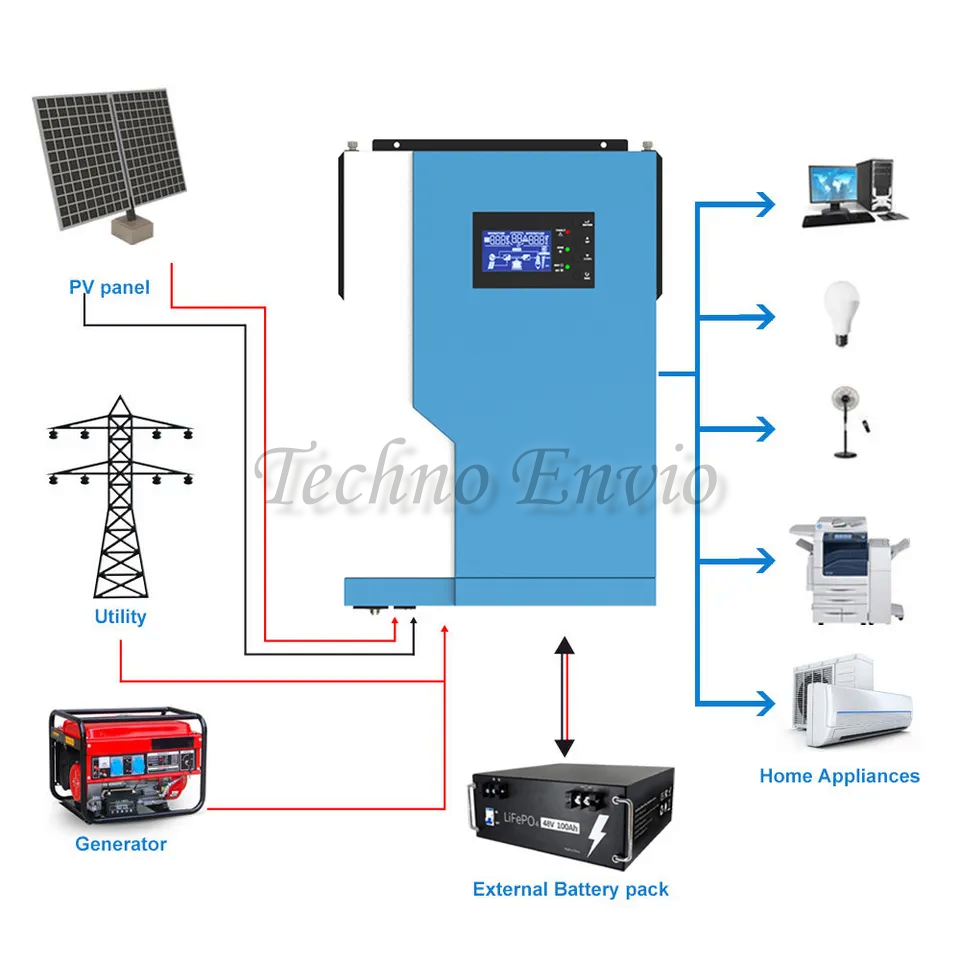
B. Off-Grid Solar Inverters
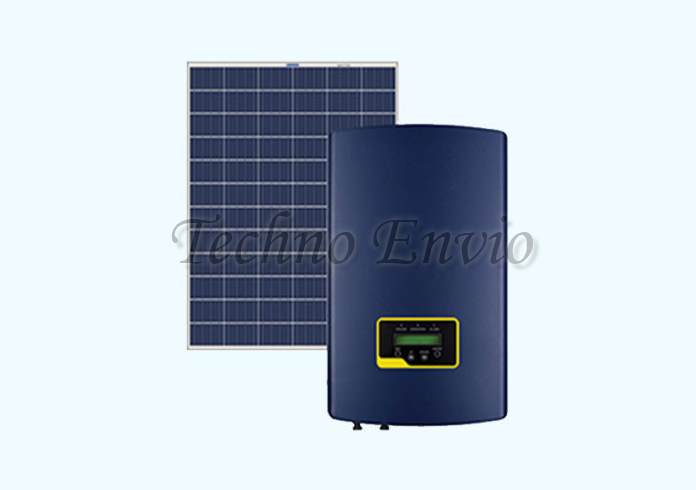
These work independently of the grid and require battery storage.
Features
-
Pure sine wave output
-
Battery charging built-in
-
Suitable for locations with no grid access
Applications
-
Remote homes
-
Agricultural farms
-
Telecom towers
-
Small industrial loads
C. Hybrid Solar Inverters
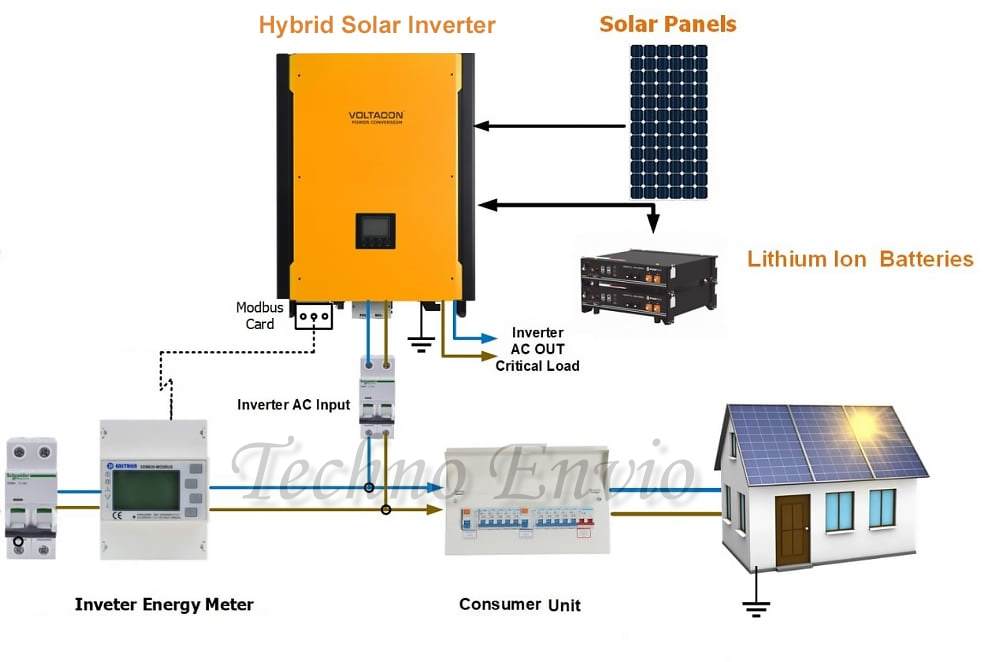
A combination of off-grid and grid-tie technology.
Features
-
Works with or without battery
-
Can charge batteries from solar or grid
-
Provides backup during outages
-
Preferred in residential systems
4. Industrial Process Inverters
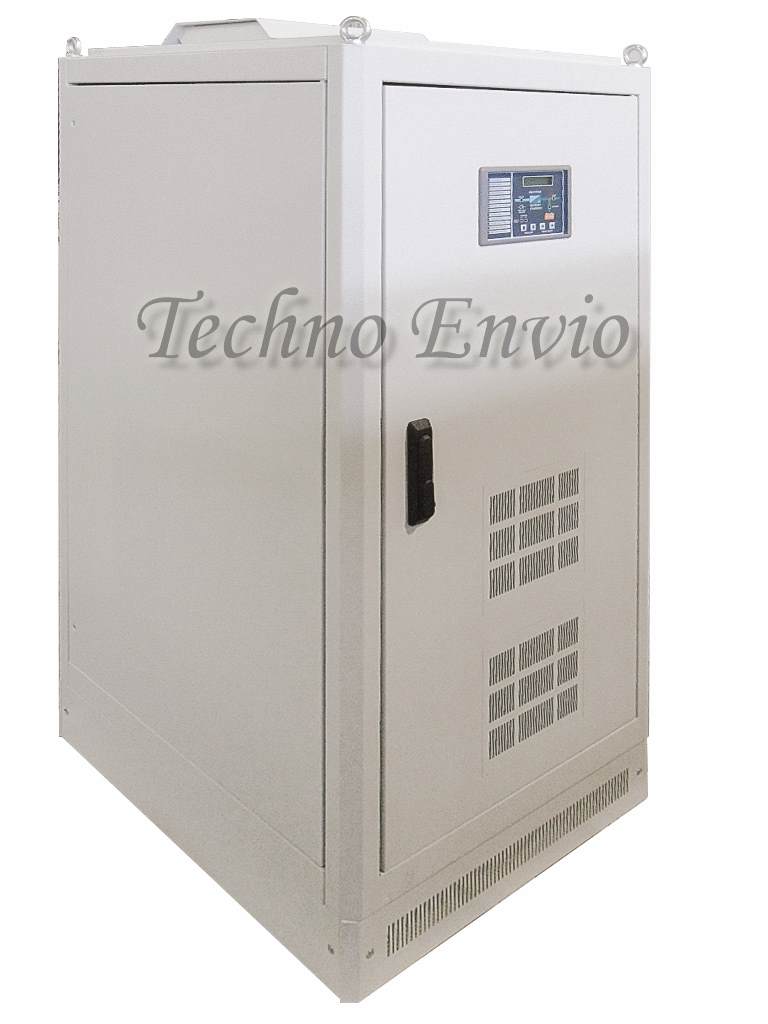
High-performance inverters for heavy machinery
Industrial inverters are built for demanding applications, such as:
-
large pumps
-
heavy conveyors
-
crushers and mills
-
chemical process equipment
-
manufacturing automation
These inverters often support:
-
vector control
-
torque control
-
regenerative braking
-
overload capacity (150–200%)
-
high temperature operation
Examples of Industrial Inverter Brands
-
Siemens SINAMICS
-
ABB ACS series
-
Schneider ATV
-
Danfoss VLT
-
Yaskawa GA/ A1000
These inverters are reliable, rugged, and designed for continuous operation.
5. Pure Sine Wave Inverters
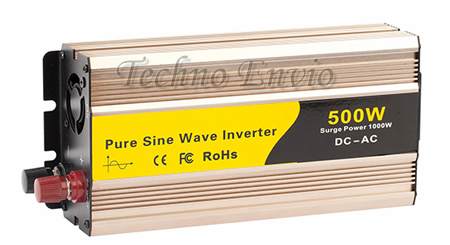
Produce high-quality AC output similar to the power grid
Pure sine wave inverters create a smooth, clean AC waveform.
They are used where sensitive electronics are involved.
Benefits
-
Safe for laptops and medical devices
-
Low noise
-
Efficient for motors and compressors
Applications
-
Home inverters
-
UPS units
-
Boats and RVs
-
Laboratory equipment
-
Medical machines
6. Modified Sine Wave Inverters
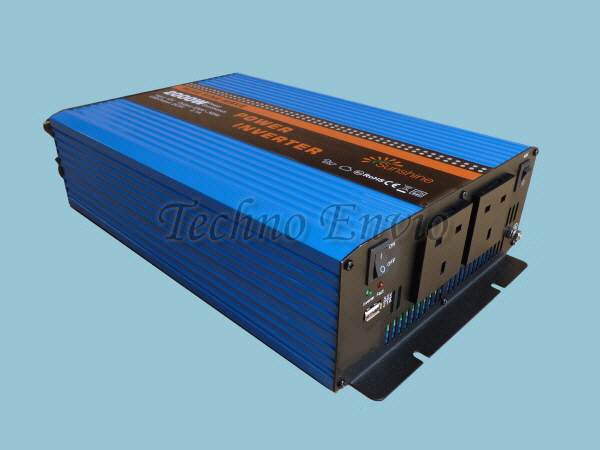
Low-cost alternative with a square-shaped AC output
Modified sine wave inverters are cheaper but less efficient.
Disadvantages
-
Can cause heating in motors
-
Produces humming noise
-
Not suitable for sensitive electronics
Applications
-
Low-power tools
-
Simple lighting
-
Small appliances
They are not ideal for long-term industrial or commercial use.
7. UPS Inverters (Uninterruptible Power Supplies)
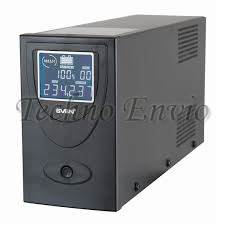
UPS units use an internal inverter to convert battery DC into AC when power fails.
Types
-
Offline UPS
-
Line-interactive UPS
-
Online UPS
Best For
-
Servers
-
Hospitals
-
Data centers
-
Telecom systems
Online UPS systems rely heavily on high-quality PWM inverters for clean, continuous power.
8. EV Inverters (Electric Vehicle Inverters)
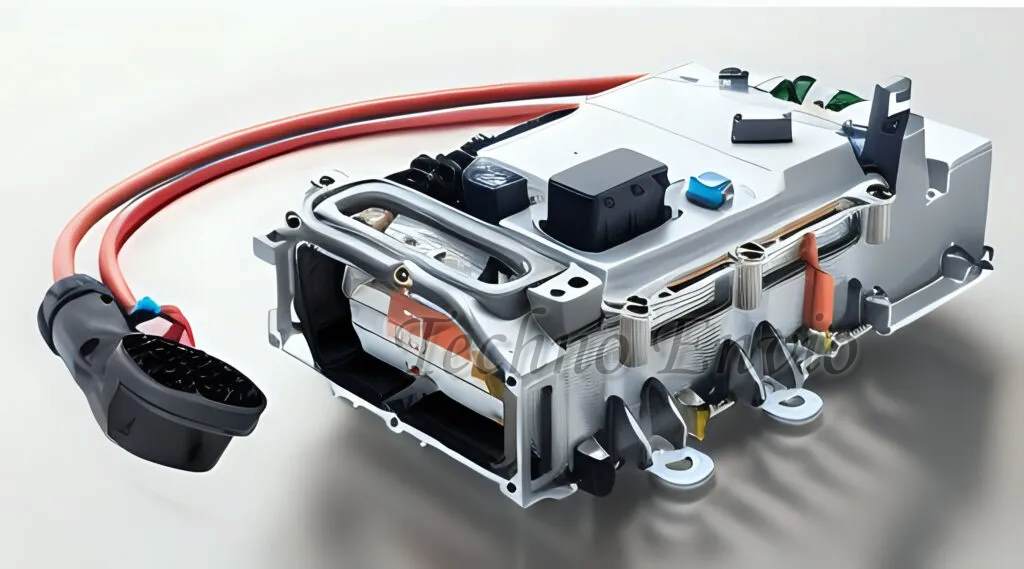
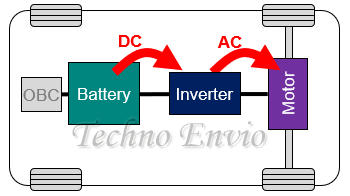
Electric vehicles use powerful inverters to control electric motors.
Functions
-
Convert battery DC → AC for traction motors
-
Provide regenerative braking
-
Control motor torque & speed
Applications
-
EV cars
-
Electric buses
-
Industrial AGVs
-
Autonomous robots
These are among the most advanced inverters available today.
Choosing the Right Type of Inverters
Choosing an inverter depends on your application:
| Application | Recommended Inverter Type |
|---|---|
| Motor control | VFD (AC inverter) |
| Solar energy | Solar inverter / Hybrid |
| Power backup | Pure sine wave inverter |
| Low-cost backup | Modified sine wave inverter |
| Industrial loads | Industrial VFD |
| EV systems | EV traction inverter |
Understanding your load type and power requirements is the key to selecting the right inverter.
Advantages of Using the Right Inverter
Using the proper inverter offers massive benefits:
-
increased energy efficiency
-
improved motor performance
-
longer equipment lifespan
-
reduced operating costs
-
better process control
-
reduced mechanical stress
-
enhanced safety
And in solar systems, the correct inverter can increase power generation by 20–30%.
Final Thoughts
Inverters power modern industry, homes, automation systems, and renewable energy solutions. Knowing the different types—VFDs, PWM, solar, and industrial inverters—helps you make better decisions whether you’re an engineer, technician, or machine operator.
Each inverter serves a specific purpose, and choosing the right one ensures safety, performance, and long-term reliability.
