AC Inverters: How They Work and Where They’re Used
Introduction
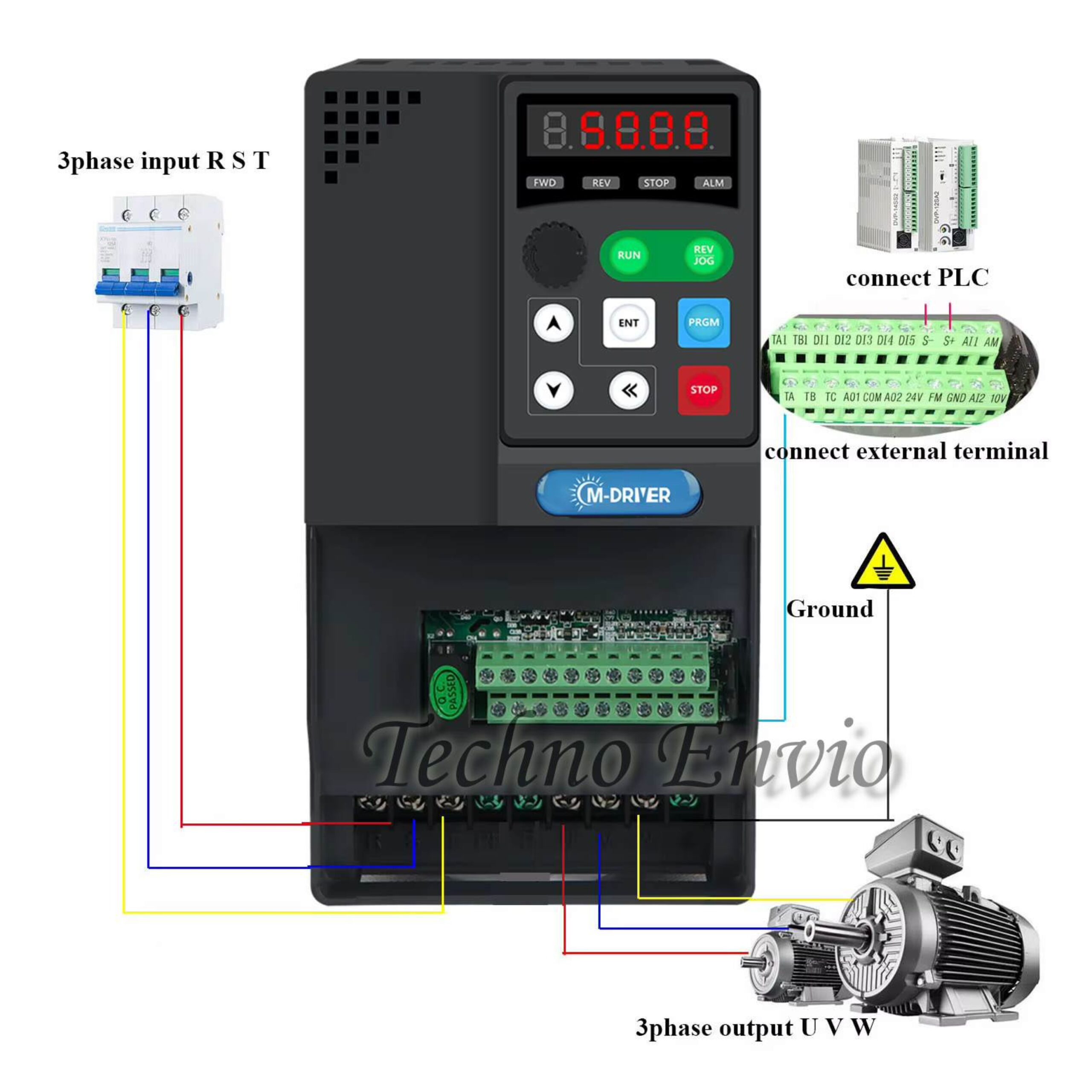
AC inverters—also known as Variable Frequency Drives (VFDs)—are at the heart of modern industrial automation. They control the speed, torque, and overall performance of electric motors, allowing factories to operate with greater efficiency, precision, and safety. Today, AC inverters are used everywhere: conveyor belts, HVAC systems, water pumps, packaging machines, CNC equipment, elevators, and even home appliances.
This article provides a complete, beginner-friendly yet professional explanation of what AC inverters are, how they work, and where they are used. You’ll learn the science behind them, their benefits, their components, and real-world applications. Whether you’re an engineer, technician, or enthusiast, this guide gives you valuable insights that truly matter.
What Is an AC Inverter?
An AC inverter is an electronic device that changes the frequency and voltage supplied to an AC motor to control its speed and torque. In simple terms, it lets you tell an electric motor how fast to run.
Electric motors are designed to run at a fixed speed determined by the frequency of the power supply. For example:
-
In most countries: 50 Hz = standard motor speed
-
In some regions: 60 Hz = standard motor speed
But many applications do not need the motor to run at full speed all the time. That’s where AC inverters come in.
Why AC Inverters Matter
Without an inverter, a motor connected directly to the power line will run at full speed. This causes:
-
higher energy consumption
-
excessive mechanical wear
-
limited control
-
unnecessary noise
-
reduced machine life
AC inverters solve all these issues by enabling variable speed control.
How AC Inverters Work: A Simple Explanation
To understand AC inverters, we break the process into three steps:
1. Conversion from AC to DC (Rectification)
The inverter first converts incoming AC power into DC using a rectifier. This is necessary because the next stage requires DC power to rebuild a new AC waveform.
2. Smoothing the DC Voltage (DC Bus)
Once the power is rectified, capacitors smooth out the voltage. The result is stable DC voltage.
3. Conversion from DC to Controlled AC (Inversion)
Finally, the inverter uses electronic switches (IGBTs) to convert DC back into AC. But this time, it controls:
-
frequency → controls motor speed
-
voltage → controls motor torque
-
waveform shape → improves motor efficiency
This is the key to precise motor control.
Components of an AC Inverter
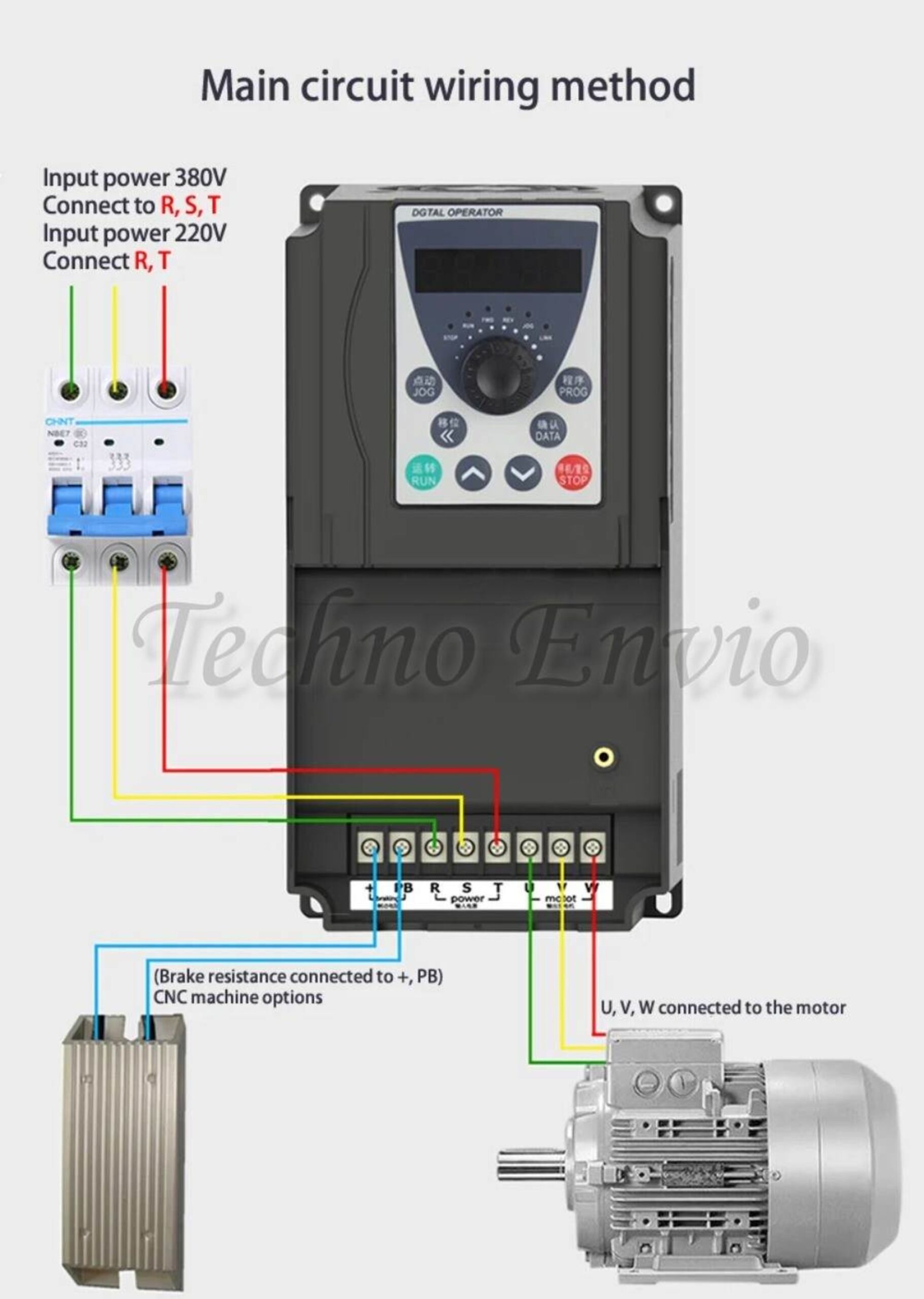
AC inverters may look simple from the outside, but inside they contain advanced electronics. Below are their major components:
1. Rectifier Unit
Converts AC input to DC.
2. DC Bus (Capacitor Bank)
Stores and stabilizes the DC voltage.
3. Inverter Unit (IGBTs)
Creates a new AC signal with adjustable frequency.
4. Control Board
The “brain” of the inverter.
Handles programming, monitoring, and communication.
5. Input and Output Filters
Protect the motor and reduce harmonics.
6. Cooling System
Fans or heatsinks remove heat generated by power electronics.
Each component plays a critical role in delivering smooth, reliable motor control.
Key Benefits of AC Inverters
Using an AC inverter brings multiple advantages across industries. These benefits make them one of the most important technologies in modern automation.
1. Energy Savings
Inverters significantly reduce electricity consumption—especially in applications like pumps and fans. Instead of running at full speed, they adjust the motor to the exact speed needed.
Energy savings can reach 30–60% depending on the application.
2. Soft Starting and Soft Stopping
Without an inverter, motors draw huge inrush currents during startup—this can be 6–7 times the rated current. This stresses:
-
cables
-
contactors
-
gears
-
belts
-
bearings
An inverter, however, starts the motor smoothly. This protects equipment and extends its lifespan.
3. Precise Speed Control
The ability to set any speed is crucial in:
-
conveyors
-
mixers
-
packaging machines
-
CNC
-
ventilation systems
-
pumps
You can adjust speed to match the exact requirement of the process.
4. Reduced Mechanical Stress
Smooth acceleration and deceleration reduce wear and tear. This means fewer breakdowns and less maintenance.
5. Better Process Control
AC inverters allow integration with:
-
PLCs
-
SCADA systems
-
industrial networks (Modbus, Profibus, CANopen, EtherNet/IP, PROFINET)
This results in better automation, data monitoring, and safety.
How AC Inverters Control Motor Speed
Motor speed is determined by frequency.
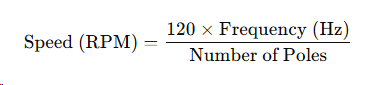
So if you lower the frequency:
-
motor speed decreases
If you increase the frequency:
-
motor speed increases
This is exactly what the inverter does—it changes the frequency delivered to the motor.
Voltage Control (V/F Control)
As frequency decreases, voltage must also decrease to prevent overheating.
Most inverters follow a V/F curve for safe operation.
Vector Control (Advanced Mode)
This allows precise control of:
-
torque
-
load variations
-
position (in vector servo drives)
Vector control makes AC inverters suitable for demanding applications.
Where AC Inverters Are Used (Real-World Applications)
AC inverters are used in nearly every industry. Here are the most common examples.
1. Industrial Conveyors
Factories use conveyors to move materials at controlled speeds. Inverters allow:
-
speed adjustment
-
smooth starts
-
reverse operation
-
overload protection
This reduces product damage and improves workflow.
2. Water Pumps and Irrigation Systems
Inverters control pump speed based on water demand. Benefits include:
-
lower electricity consumption
-
reduced pressure surges
-
extended pump life
They are also used in agricultural irrigation to maintain stable pressure.
3. HVAC Systems
In commercial buildings, HVAC fans and compressors use inverters to:
-
adjust airflow
-
reduce noise
-
save energy
-
improve temperature control
HVAC is one of the biggest users of VFD technology.
4. Elevators and Escalators
Inverters provide:
-
smooth acceleration
-
accurate speed control
-
emergency braking control
This improves passenger comfort and safety.
5. CNC Machines and Automation Lines
In CNC machining centers, inverters control the spindle motor.
They enable:
-
precise speed adjustment
-
tool life optimization
-
vibration reduction
-
improved finish quality
They also power conveyors, coolant pumps, and fans in CNC systems.
6. Food and Beverage Packaging
Packaging machines require coordinated motion. Inverters provide:
-
synchronized speed control
-
precise cutting
-
accurate material handling
This ensures consistent quality and productivity.
Common Features Found in Modern AC Inverters
Modern inverters come packed with intelligent features such as:
-
overload protection
-
automatic torque boost
-
PID control
-
multi-speed presets
-
communication ports
-
braking control
-
internal PLC functions
Many high-end models also include built-in safety features like Safe Torque Off (STO).
Limitations of AC Inverters
Although extremely useful, AC inverters also have some limitations:
1. Harmonics
They may introduce electrical noise.
2. Heat Generation
Requires proper ventilation.
3. Motor Compatibility
Old motors may overheat if not properly matched.
4. Initial Cost
Higher upfront cost, but long-term savings compensate.
Conclusion
AC inverters have transformed the way industries operate. From energy savings and improved process control to reduced mechanical stress and enhanced safety, they offer massive advantages for almost every application involving electric motors.
Understanding how AC inverters work—rectification, DC bus, and inverter stages—helps technicians, engineers, and hobbyists make better decisions about installation, troubleshooting, and optimization.
This technology is here to stay, and as industries continue to automate, the importance of AC inverters will only grow.

Pingback: Lecture 3 of The Electric Motor and Control System: Free Course - technoenvio.com