
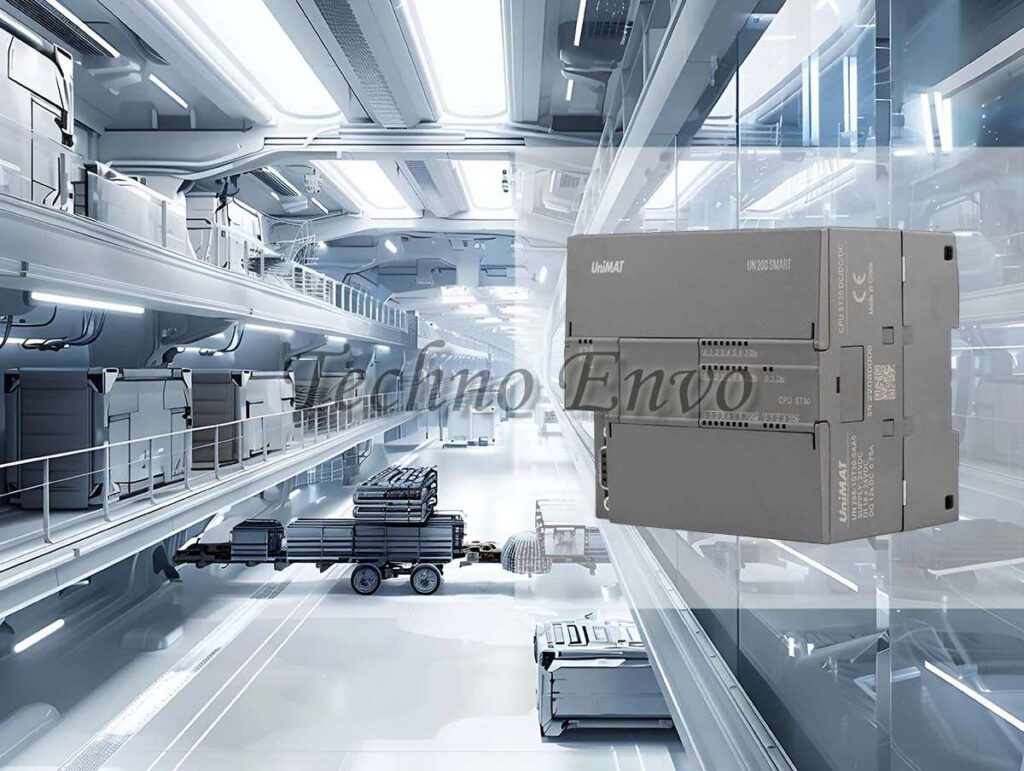
Building a Smart Factory with Siemens PLCs: An Industry 4.0 Perspective
The era of Smart Factory with Siemens PLCs Industry 4.0 has transformed how factories operate, blending automation, data exchange, and real-time analytics to create what is now known as the “smart factory.” At the heart of these smart factories lie powerful and adaptable PLCs (Programmable Logic Controllers), which control and automate machinery, integrate data collection, and enable seamless communication across all levels of production.
Siemens, a leader in industrial automation, offers advanced PLCs designed for building smart factories that meet the demands of Industry 4.0. This article explores the role of Siemens PLCs in smart factories, how they contribute to a connected and automated production environment, and steps to implement them effectively.
What is a Smart Factory?

A smart factory integrates physical processes with digital technologies, enabling self-optimizing production systems, real-time data collection, and advanced analytics. Key features include:
- Connectivity: Systems are interconnected, allowing real-time communication and collaboration.
- Data-Driven: Smart factories rely heavily on data analysis to predict maintenance, optimize production, and improve quality.
- Automation and Flexibility: Robots and machinery are controlled by PLCs and adaptable to changing production demands.
- Predictive Maintenance: With real-time monitoring, factories can anticipate equipment issues and perform maintenance before breakdowns occur.
Smart factories leverage Industrial Internet of Things (IIoT) and artificial intelligence, creating efficient, adaptable, and productive manufacturing environments.
Why Siemens PLCs for a Smart Factory?
Siemens PLCs are well-suited for smart factory environments due to their reliability, advanced communication capabilities, and integration with various software and data analytics platforms. Here’s why they’re essential for building a smart factory:
- Scalability and Flexibility: Siemens PLCs like the S7-1200 and S7-1500 offer scalability, meaning they can be adapted to projects of any size, from single machines to entire production lines.
- Integrated Communication: Siemens PLCs support protocols such as PROFINET and OPC UA, allowing seamless integration with SCADA systems, MES (Manufacturing Execution Systems), and IIoT platforms.
- High-Speed Processing: With fast data processing and precision control, Siemens PLCs ensure high performance, meeting the demands of complex automation.
- TIA Portal Integration: Siemens’ TIA (Totally Integrated Automation) Portal provides a centralized platform for programming, diagnostics, and visualization, streamlining the setup and management of smart factory applications.
Step-by-Step Guide to Building a Smart Factory with Siemens PLCs
To create a smart factory using Siemens PLCs, here’s a step-by-step approach to ensure a seamless implementation.
Step 1: Define Smart Factory Goals and KPIs
Before implementing a smart factory, define clear goals such as improved efficiency, reduced downtime, and enhanced product quality. KPIs (Key Performance Indicators) can help monitor these goals. Common KPIs for smart factories include:
- OEE (Overall Equipment Effectiveness): Measures equipment efficiency, productivity, and quality.
- Downtime Reduction: Tracks unplanned equipment downtime and measures improvements.
- Yield and Scrap Rate: Measures production output quality and material waste.
Step 2: Set Up Siemens PLCs and Connect Equipment
Siemens PLCs act as the backbone of a smart factory, connecting and automating machines, sensors, and other devices.
- Choose Suitable Siemens PLC Models: For scalable automation, use Siemens PLCs such as the S7-1200 for small to mid-size applications or the S7-1500 for more complex tasks.
- Connect Devices and Sensors: Connect PLCs to sensors that monitor temperature, pressure, speed, and more. These sensors provide data to the PLCs for real-time analysis and control.
- Establish Network Connections: Use PROFINET or Ethernet to ensure devices can communicate effectively. Proper network architecture is key to reliable data transfer and automation.
Step 3: Integrate with TIA Portal for Centralized Management
Siemens’ TIA Portal is the ideal platform for configuring, managing, and monitoring all devices in your smart factory.
- Program the PLCs in TIA Portal: Configure automation logic in the TIA Portal, using function blocks for control, monitoring, and data exchange.
- Set Up Visualization: Use WinCC within TIA Portal to create dashboards and HMI (Human-Machine Interface) screens for operators to view real-time data and adjust settings as needed.
- Configure Data Logging and Analysis: Enable data logging to store historical data. This allows tracking of trends, such as energy usage or production speed, for informed decision-making.
Step 4: Implement Predictive Maintenance Using Real-Time Monitoring
Predictive maintenance is essential for reducing downtime and prolonging equipment life.
- Enable Data Collection: Collect data on critical machine parameters, such as vibration, temperature, and run hours, using Siemens PLCs.
- Define Thresholds for Alarms: Set alarm thresholds for abnormal conditions, such as high vibration levels, which may indicate a potential breakdown.
- Analyze and Predict Maintenance Needs: Use analytical tools to predict when maintenance should be performed, allowing for timely repairs and minimal disruption.
Step 5: Utilize Edge Devices for Real-Time Data Processing
Edge computing allows for data processing closer to the equipment, reducing latency and enhancing real-time control.
- Set Up Siemens Edge Devices: Siemens offers edge computing solutions like the SIMATIC Edge, enabling real-time data processing on-site.
- Process Data Locally: Filter and process data on the edge device, sending only essential information to the cloud. This reduces network load and speeds up reaction time for critical events.
- Integrate Edge with Cloud Analytics: Send aggregated data to cloud platforms for advanced analytics and long-term storage, ensuring a complete view of the factory’s performance.
Step 6: Enable IIoT Connectivity for Industry 4.0 Integration
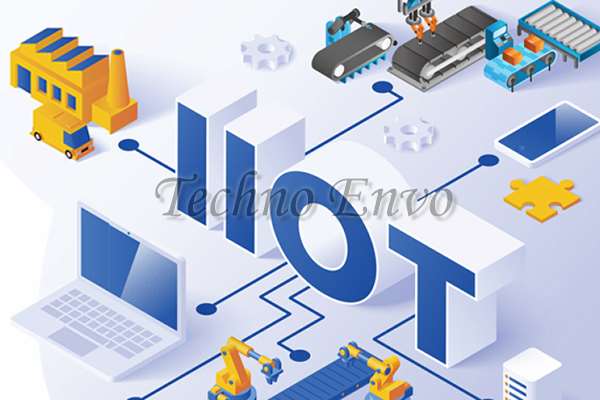
To fully integrate with Industry 4.0, Siemens PLCs can connect with IIoT platforms.
- Use OPC UA for IIoT Communication: Siemens PLCs support the OPC UA protocol, a universal standard for IIoT applications, enabling connectivity with third-party systems.
- Deploy Cloud-Based Monitoring: Use Siemens MindSphere or another cloud-based platform to monitor, analyze, and control operations remotely.
- Implement AI and Machine Learning: Use advanced analytics and machine learning algorithms to identify patterns, optimize production, and improve quality.
Case Study: Implementing a Smart Factory in the Automotive Industry
An automotive plant faced challenges with production efficiency and downtime. By implementing a smart factory setup using Siemens PLCs, the plant achieved significant improvements.
- Problem: High equipment downtime and inconsistent product quality.
- Solution: With Siemens S7-1500 PLCs, edge computing, and TIA Portal, the plant automated production, implemented predictive maintenance, and enabled remote monitoring.
- Outcome: Downtime reduced by 25%, productivity increased by 20%, and defect rates dropped significantly due to real-time quality checks.
FAQ: Building a Smart Factory with Siemens PLCs
1. What Siemens PLC model is best for smart factories?
The Siemens S7-1500 is ideal for complex automation tasks in smart factories due to its high processing power and advanced communication capabilities. For smaller applications, the S7-1200 is also effective.
2. How does TIA Portal benefit smart factory implementation?
TIA Portal offers an integrated environment for programming, diagnostics, and visualization. It simplifies PLC programming, HMI design, and data logging, making it easier to monitor and control all aspects of the smart factory.
3. How does a smart factory reduce downtime?
A smart factory uses real-time monitoring, predictive maintenance, and data-driven insights to detect issues early and perform maintenance proactively, reducing downtime and enhancing productivity.
4. Can Siemens PLCs connect with third-party devices?
Yes, Siemens PLCs support various protocols, including PROFINET and OPC UA, allowing seamless integration with third-party devices and IIoT systems, which is essential for Industry 4.0.
5. What role does edge computing play in a smart factory?
Edge computing enables local data processing, reducing latency and allowing real-time control. Siemens edge devices process data on-site and only send critical insights to the cloud, reducing network load and improving efficiency.
6. Can I implement machine learning with Siemens PLCs?
Yes, Siemens PLCs can integrate with machine learning algorithms, especially when combined with cloud platforms like Siemens MindSphere. Data collected from PLCs can feed machine learning models to improve predictive maintenance and process optimization.
7. What are the main challenges of building a smart factory?
Challenges include the initial cost of investment, system integration, and the need for cybersecurity measures to protect connected devices. However, the long-term gains in efficiency, quality, and flexibility often outweigh these challenges.
Conclusion
Building a smart factory with Siemens PLCs brings Industry 4.0 into reality, enabling manufacturers to improve productivity, reduce downtime, and gain valuable insights. Through scalable PLCs, powerful software like TIA Portal, and edge computing, Siemens provides the tools necessary to achieve a truly connected and automated manufacturing environment. As industries continue to evolve, smart factories with Siemens PLCs remain at the forefront of innovation, driving efficiency, quality, and sustainability.
