
Part 3 Three-Phase AC Motors: Principles, Types, and Applications
Three-phase AC motors are the backbone of industrial automation, powering everything from pumps and conveyors to CNC machines. They are efficient, reliable, and capable of producing high torque. This article explores three-phase AC motors, their rotating magnetic fields, and various motor types, complete with equations, practical examples, and mini-project ideas.
1. Three-Phase Alternating Current Motors
A three-phase AC motor converts electrical energy from a three-phase supply into mechanical energy. Unlike DC motors, these motors do not require brushes or commutators, making them low-maintenance and highly reliable.
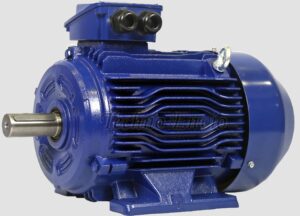
Three-phase AC motors rely on the principle that a rotating magnetic field induces current in the rotor, producing torque.
2. Rotating Magnetic Field
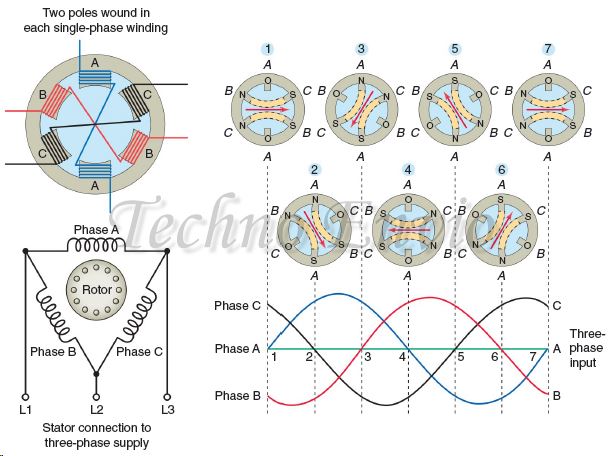
The rotating magnetic field is the key to AC motor operation. When three-phase currents pass through the stator windings, they generate magnetic fields that rotate around the stator.
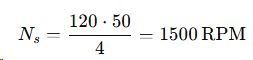
Equation for synchronous speed NsN_s:
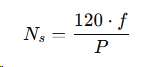
Where:
-
= Synchronous speed (RPM)
-
F= Supply frequency (Hz)
-
P = Number of poles
Example:
For a 50 Hz supply and a 4-pole motor:
Mini Project Idea:
Use a 3-phase simulation software (like Proteus or MATLAB Simulink) to visualize a rotating magnetic field in a 3-phase motor.
3. Induction Motors
Induction motors operate on the principle of electromagnetic induction, where a rotating magnetic field induces current in the rotor. There are two main types:
-
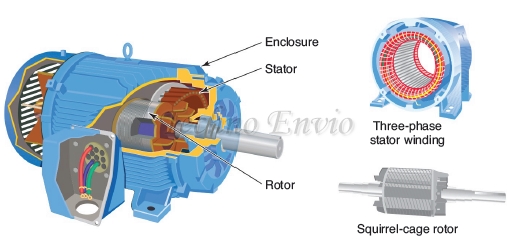
Squirrel-Cage Induction Motor
-
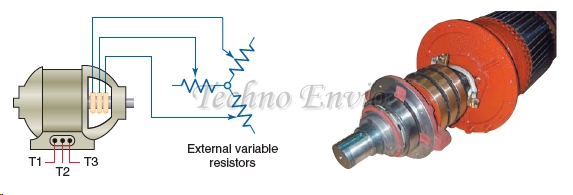
Wound-Rotor Induction Motor
Induction motors are widely used due to their robustness, simplicity, and low cost.
3.1 Squirrel-Cage Induction Motor
In a squirrel-cage motor, the rotor consists of bars connected at both ends by end rings, forming a cage. The rotating magnetic field in the stator induces currents in the rotor, producing torque.
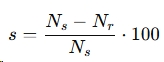
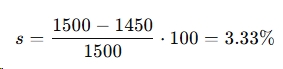
Slip ss equation:
Where:
-
S = Slip (%)
-
= Synchronous speed (RPM)
-
= Rotor speed (RPM)
Example:
If Ns=1500 RPMN and rotor speed Nr=1450 RPMN:
Mini Project Idea:
Build a small squirrel-cage motor model using copper wire and magnets to demonstrate induction principle. Measure slip at various loads.
3.2 Wound-Rotor Induction Motor
A wound-rotor motor has a rotor with windings connected to external resistances via slip rings. By adjusting the external resistance, starting torque and speed can be controlled.
Advantages:
-
High starting torque
-
Adjustable speed during startup
-
Useful for cranes, elevators, and heavy machinery
Project Idea:
Use a wound-rotor motor with a variable resistor to observe how rotor speed and torque change. Plot the torque vs slip curve.
4. Three-Phase Synchronous Motor
Unlike induction motors, a synchronous motor rotor rotates at the same speed as the rotating magnetic field. These motors require DC excitation on the rotor.
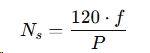
Synchronous speed equation:
Key Points:
-
Rotor speed is constant, independent of load
-
Often used in power factor correction, clocks, and high-precision drives
-
Can operate leading or lagging, providing reactive power support
Mini Project Idea:
Use a small synchronous motor with a DC supply for the rotor and observe how connecting a load affects the current but not the speed.
5. Applications of Three-Phase AC Motors
-
Industrial machines: Lathes, mills, and conveyor belts
-
Pumps and fans: Efficiently move fluids and air
-
HVAC systems: Reliable for compressors and blowers
-
Electric vehicles: High torque and smooth operation
Practical Tip:
Monitoring slip, torque, and current helps prevent motor overheating and maintain efficiency.
Conclusion Part 3
Three-phase AC motors are versatile, reliable, and essential for industrial and domestic applications. Understanding rotating magnetic fields, induction, slip, and synchronous operation is crucial for engineers and hobbyists alike.
Combining theory, equations, examples, and mini-projects ensures not only comprehension but also practical skills for motor design, testing, and troubleshooting.
Part 4 Single-Phase AC Motors: Types, Principles, and Applications
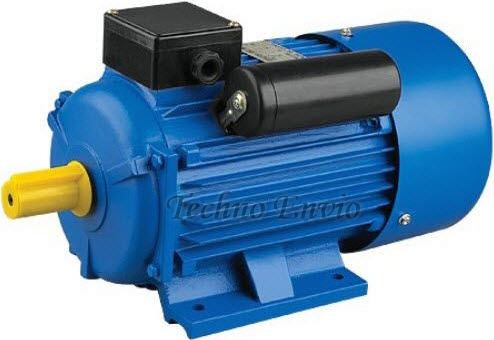
Single-phase AC motors are widely used in household appliances, small machines, and light industrial applications. Unlike three-phase motors, single-phase motors cannot produce a naturally rotating magnetic field; instead, they rely on starting mechanisms to generate initial rotation. This article explores single-phase motors, their types, operation principles, and practical examples.
1. Single-Phase Alternating Current Motors
A single-phase AC motor converts electrical energy from a single-phase supply into mechanical motion. The main challenge is that a single-phase supply produces a pulsating magnetic field, which alone cannot start the motor. To overcome this, motors use auxiliary windings, capacitors, or shaded poles to initiate rotation.
Key Equation for AC Voltage and Current:
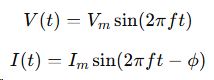
Where:
-
Vm, Im = Maximum voltage/current
-
= Supply frequency (Hz)
-
ϕ = Phase angle between voltage and current
2. Split-Phase Motor
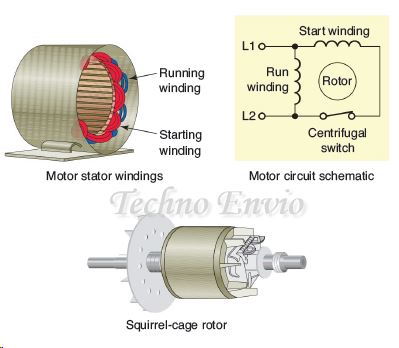
A split-phase motor has two windings:
-
Main winding – high resistance, low starting current
-
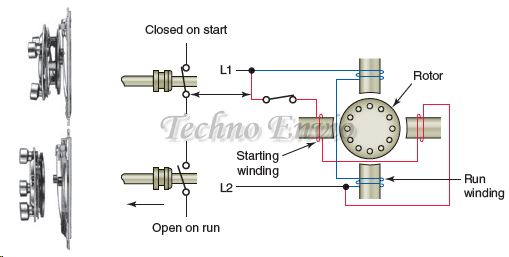
Auxiliary (start) winding – low resistance, connected via a centrifugal switch
Operation:
-
When powered, the phase difference between the two windings produces a starting torque.
-
After the motor reaches 70–80% of full speed, the start winding disconnects.
Starting Torque Equation:

Where:
-
Is, Im = Currents in start and main windings
-
ϕ = Phase difference between the windings
Mini Project Idea:
Use a small split-phase motor to drive a fan. Observe how removing the auxiliary winding prevents starting.
3. Split-Phase Capacitor Motor
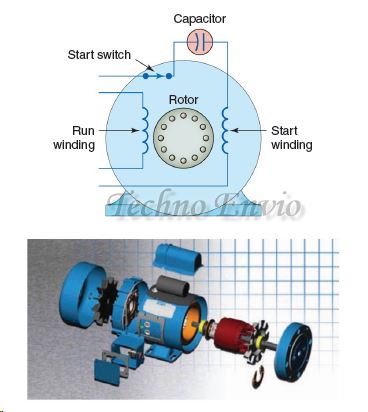
A split-phase capacitor motor improves starting torque by adding a capacitor in series with the start winding. The capacitor creates a larger phase shift, resulting in higher starting torque and better efficiency.
Capacitor Value Equation:
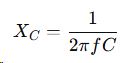
Where:
-
XC = Capacitive reactance (Ω)
-
= Capacitance (F)
-
= Supply frequency (Hz)
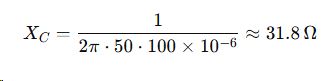
Example:
For a 50 Hz supply and a 100 µF capacitor:
Mini Project Idea:
Connect a capacitor to a small AC motor and measure starting current vs. torque. Experiment with different capacitances to observe effects.
4. Shaded-Pole Motor
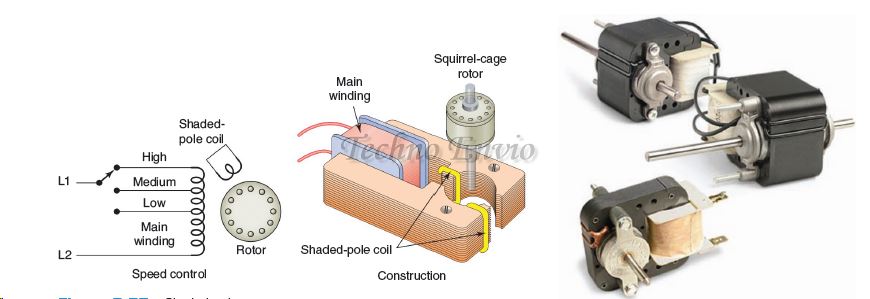
The shaded-pole motor is simple, inexpensive, and widely used in fans, small pumps, and timers. It has a shading coil (a copper ring) on part of each pole, creating a rotating magnetic field that starts the rotor.
Characteristics:
-
Low starting torque
-
Simple construction, no centrifugal switch needed
-
Ideal for light-duty applications
Mini Project Idea:
Observe a shaded-pole fan motor. Remove or adjust the shading coil to see how starting and rotation are affected.
5. Universal Motor
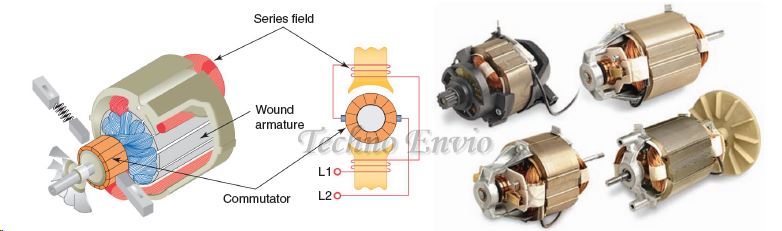
A universal motor can operate on AC or DC supply. It is a series-wound motor with high speed and torque, commonly used in power tools, vacuum cleaners, and blenders.
Key Features:
-
High-speed operation (>10,000 RPM)
-
High starting torque
-
Reversible by swapping connections of either winding
Mini Project Idea:
Use a universal motor from a drill and power it with a low-voltage DC source. Observe how speed and direction change with polarity reversal.
Applications of Single-Phase AC Motors
-
Household appliances: Fans, washing machines, blenders
-
Small pumps and compressors
-
Power tools: Drills, mixers
-
Light-duty industrial machines
Practical Tip:
Using capacitors, shaded poles, or auxiliary windings is essential for efficient starting and reliable operation of single-phase motors.
Conclusion Part 4
Single-phase AC motors are essential for household and light industrial applications. Understanding their types, starting mechanisms, and torque-speed characteristics allows engineers and hobbyists to select the right motor for their projects.
By combining theory, equations, and hands-on mini-projects, learners can master single-phase motor applications and design practical solutions for everyday problems.
