Guide to Hydraulic Injection Machines: Components, Operation, and Troubleshooting
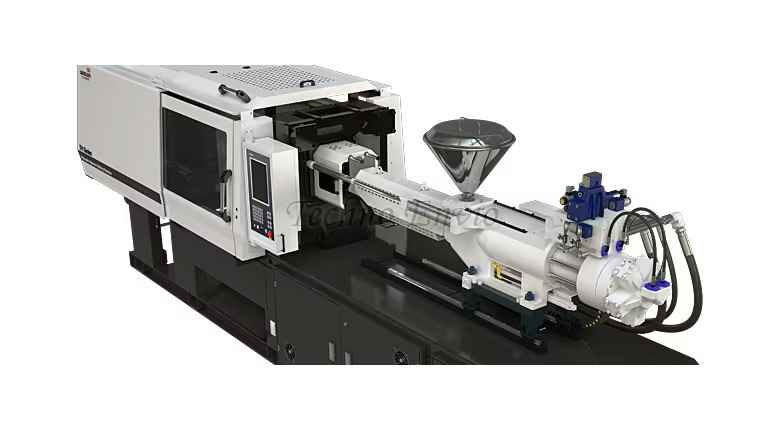
Hydraulic injection machines are crucial for modern manufacturing, playing an essential role in shaping plastic materials into precise, high-quality components. Known for their powerful and consistent force, these machines have been industry-standard for years due to their reliability, durability, and ability to handle large molds. This article delves into how hydraulic injection molding machines work, their components, operation, common issues, and solutions to ensure smooth, efficient production.
What Are Hydraulic Injection Machines?
Hydraulic injection molding machines utilize hydraulic systems to generate the clamping force needed to mold materials, typically plastics, into desired shapes. With powerful, precision-driven clamping mechanisms, they’re especially suited for applications where maintaining uniform pressure is essential.
Key Components of Hydraulic Injection Machines
Understanding the components of hydraulic injection molding machines provides insights into how they work:
- Base and Frame: The foundation that supports other machine components, providing stability during the injection process.
- Injection Unit:
- Hopper: Holds and feeds raw plastic pellets into the machine.
- Barrel: Heats and melts the plastic before injection.
- Screw: Pushes the molten plastic through the nozzle.
- Nozzle: Channels molten plastic into the mold, ensuring precise flow and injection.
- Clamping Unit:
- Hydraulic Cylinder: Generates force to hold the mold halves together during injection.
- Mold Plates: Supports and aligns the mold halves.
- Tie Bars: Holds the plates and mold in place during operation.
- Ejector System: Pushes the finished product out of the mold.
- Hydraulic Power Unit:
- Pump: Powers the hydraulic system by generating pressurized fluid.
- Valves: Controls the direction, speed, and pressure of hydraulic fluid flow.
- Hydraulic Fluid Reservoir: Holds and circulates the fluid that powers the system.
- Control System:
- Control Panel: Allows operators to adjust settings for temperature, pressure, and injection speed.
- Sensors: Monitors machine parameters, ensuring precision and safety.
How to Operate a Hydraulic Injection Machine
Operating a hydraulic injection molding machine requires understanding its processes:
- Mold Setup: Place the mold securely within the clamping unit, ensuring proper alignment.
- Material Loading: Add raw material into the hopper.
- Parameter Setting: Set temperature, pressure, and injection speed via the control panel.
- Injection Process:
- The screw rotates, feeding melted plastic through the nozzle and into the mold cavity.
- Hydraulic pressure keeps the mold closed while the plastic solidifies.
- Ejection: Once cooled, the ejector system pushes the molded part out of the mold.
- Cycle Repeat: The machine resets for the next cycle, maintaining consistent operation for high-volume production.
Common Issues in Hydraulic Injection Machines and How to Solve Them
Hydraulic injection molding machines are powerful but can encounter issues that disrupt production. Here’s a look at common problems and their solutions:
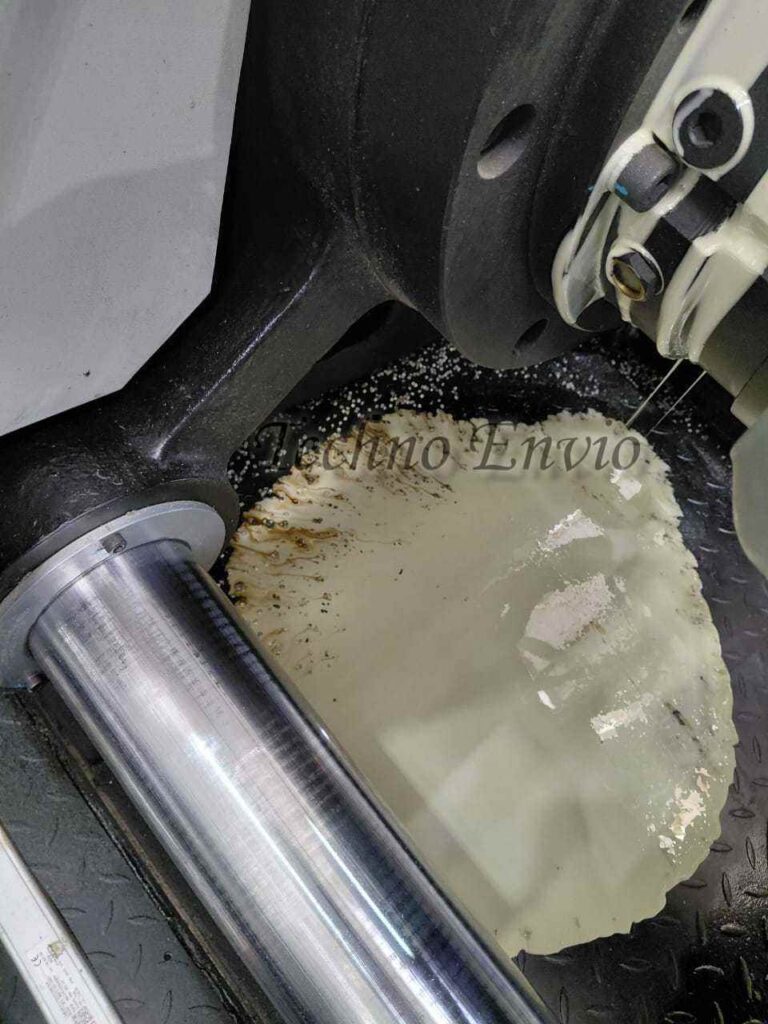
- Hydraulic Leaks:
- Cause: Worn seals, damaged hoses, or loose connections.
- Solution: Regularly inspect seals and connections, and replace damaged parts promptly to prevent leakage.
- Inconsistent Clamping Pressure:
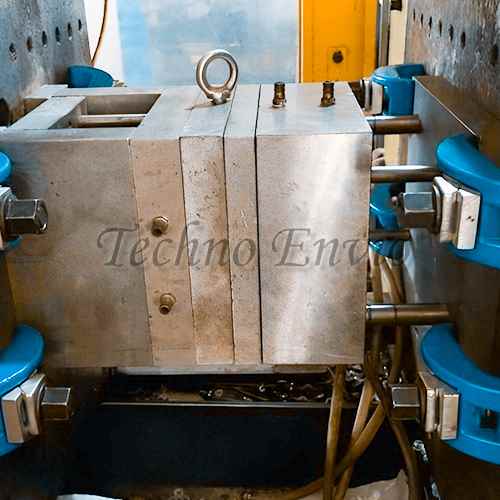
- Cause: Faulty hydraulic pump, misaligned mold, or clogged valves.
- Solution: Check pump efficiency, ensure proper mold alignment, and clean valves regularly.
- Overheating:
- Cause: Long machine cycles without adequate cooling.
- Solution: Install cooling systems, monitor temperature, and give machines periodic rest to avoid overheating.
- Slow Cycle Times:
- Cause: Low hydraulic fluid levels or worn pumps.
- Solution: Regularly check fluid levels, and replace or repair the pump if performance decreases.
- Electrical Issues:
- Cause: Faulty wiring or control system malfunctions.
- Solution: Regularly inspect electrical connections and maintain a backup power source for the control system.
- Poor Product Quality:
- Cause: Incorrect temperature, pressure settings, or worn screw/barrel.
- Solution: Optimize parameters, inspect the screw and barrel regularly, and replace worn components.
FAQs on Hydraulic Injection Machines
1. How do hydraulic injection molding machines compare to electric ones?
Hydraulic machines are generally more powerful, able to handle larger molds and higher pressure needs. They may be less energy-efficient than electric machines but are ideal for heavy-duty applications.
2. What maintenance is required for hydraulic injection molding machines?
Regular maintenance includes checking hydraulic fluid levels, inspecting hoses and seals for leaks, and ensuring the mold clamping system is aligned and functioning properly.
3. Can hydraulic machines handle different materials?
Yes, they can handle a wide range of materials, from rigid plastics to elastomers. However, settings may need adjustment for different material properties.
4. How can I prevent downtime on my hydraulic injection molding machine?
Regular inspections, preventive maintenance, and promptly addressing minor issues are key to minimizing downtime.
Final Thoughts
Hydraulic injection molding machines remain a staple in high-demand manufacturing, providing reliable clamping force, versatility, and durability. Understanding their components, operation, and maintenance needs allows you to optimize their performance and extend their lifespan. For manufacturers looking to produce high-quality parts, hydraulic injection molding machines offer unmatched power and flexibility. With proper upkeep, these machines will continue to be a valuable asset in the world of injection molding.
